Curiosity on a Train
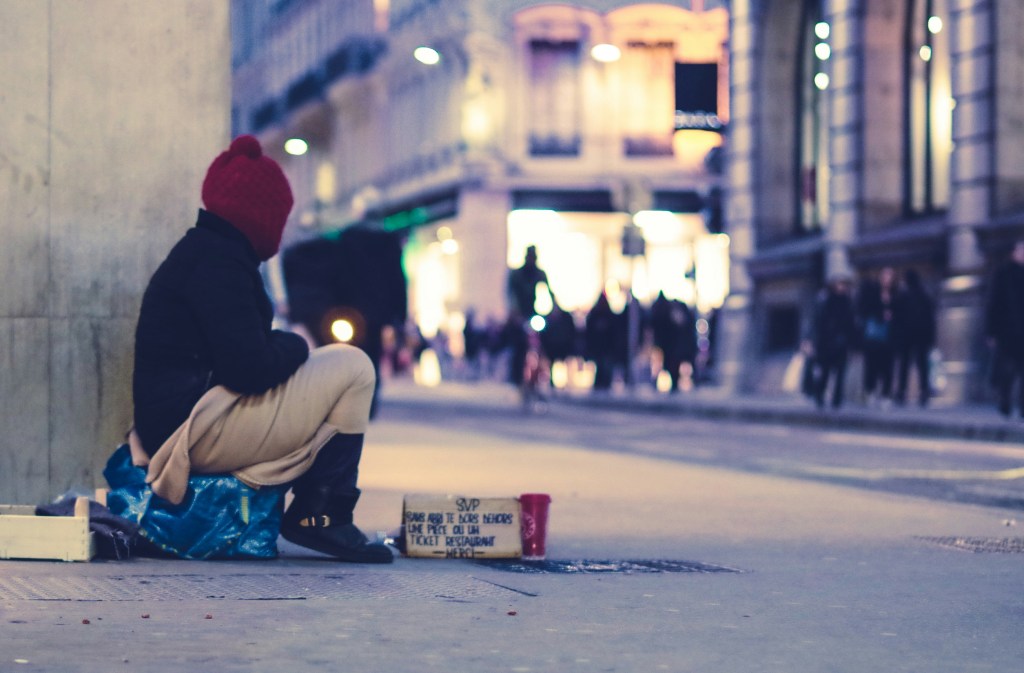
When I was twenty, I took the train to Antwerp with a strange mission in mind: I wanted to live like a homeless person for a while. Not as a social experiment for attention, not to prove some moral point, but because I was curious. Curious about what it would feel like to stand on the other side of judgment.
We see homeless people every day, sitting on pieces of cardboard, holding cups, asking for a euro, and we think we know their story. “Get a job,” we say in our heads. I wanted to see what that world actually felt like, from the inside.
So I left home with nothing but my clothes, my phone, and an iPod Touch to take notes on. No plan, no backup, no idea what I was really walking into.
Arriving in Antwerp
When the train rolled into Antwerp, I felt a mix of excitement and dread. The city was alive with laughter, lights, and people heading somewhere, and I was the only one heading nowhere. That’s when the first wave hit me: this dull, heavy feeling of being invisible.
By the time I sat down at the station that night, reality had already replaced my curiosity. I remember thinking, “Everyone here has a purpose but me.” It was such a strange feeling. I had a home, a bed, a life waiting for me, yet at that moment none of it mattered. I was just another body without direction.
The First Night
I tried to sleep at the train station, but I was kicked out by a security guard. He told me I could try the bicycle storage under the station. “There are sometimes people sleeping there,” he said. So I went down.
That’s where I met him. A Russian man in his late thirties, sitting with a beer and a bag of chips, both of which he offered to share. He told me he had come to Europe for work, that he had an ex and a child he wasn’t allowed to see anymore. Then, almost casually, he told me he had smashed his ex’s car with a baseball bat. The way he said it, calm and convinced he was right, scared me. I realized then how easily reality can twist when you live too long in your own head.
He seemed kind, but I didn’t trust him. Still, when he saw me trying to lie down on the cold floor, he tore off two bicycle bags and said, “Here, sleep on this. Warmer.” I did. I lay on my right side, keeping an eye on him, until the pain in my ribs forced me to turn over. Fifteen minutes later, I felt his hand sliding into my pocket, trying to steal my iPod.
I jumped, swung my arm, and he punched me in the face. Then he just walked away. Calmly. Like nothing happened.
Morning Comes
I sat there for a long time, too shocked to move. The city was still asleep. Somewhere above me, trains were humming. And for the first time in my life, I felt what it meant to be completely alone.
At sunrise, I climbed back to the main hall. Starbucks was opening, people were ordering cappuccinos, the world was moving again. I was still sitting there, dirty, hungry, and invisible.
Swallowing My Pride
The worst part came later: begging. I had to ask strangers for money to eat. My ego hated every second of it. I thought I was prepared, but I wasn’t. I tried to make it easier by pretending my wallet was stolen and I just needed a few euros for a train ticket home. It worked. Someone gave me coins.
That’s how I bought a focaccia and a bottle of water. That bread might’ve been the best meal I’ve ever had.
Going Home
After two nights, I decided I’d had enough. I bought a ticket home, sat on the train, and felt pure relief. No guilt, no shame, just this deep appreciation for my own bed waiting for me. That night, I slept like a king.
For about a week after that, everything felt sharper: the warmth of my blanket, the sound of rain on the window, the smell of coffee in the morning. I saw how absurdly lucky we are, how fast comfort turns into entitlement. And of course, life moved on. Routine crept back in. But that memory stayed.
What Stayed With Me
If I could talk to that twenty-year-old version of myself now, sitting in that train to Antwerp, I’d tell him this:
Keep doing things that shake you awake. Don’t let comfort turn you numb. The point isn’t to escape life, it’s to experience it fully, even when it hurts.
Because sometimes, two nights without a roof can teach you more about home than twenty years of living under one.

 Bartelblog
Leave a reply to Hans Bartelen Cancel reply